Sugar Glider
Petaurus breviceps
Bonded, gliding, demanding nocturnal marsupials · Advanced

- Lifespan
- 10-15 years
- Adult size
- 16-21cm including tail; 95-160g
- Min. habitat
- Tall flight cage 90x60x90cm+ (taller is better)
- Social needs
- Highly social colony animal; never keep alone
- Diet
- Omnivore; specialized protein, nectar, insects
- Time
- Very high; nightly interaction, complex diet
- Cost
- High
Overview
- Sugar gliders are small nocturnal marsupials, not rodents, native to Australia and New Guinea.
- A membrane between their limbs lets them glide between perches, and they live in social colonies in the wild.
- They are specialist exotics with a lifespan often exceeding a decade.
- They bond closely but need a large amount of attention, space, and dietary care.
- They are frequently mis-sold as pocket pets, leading to neglect.
- In some regions they are restricted or illegal, so verify local law first.
Housing
- Height matters more than floor space: provide a tall flight-style cage of at least 90x60x90cm, taller where possible, with narrow bar spacing.
- Equip it with branches, ropes, multiple sleeping pouches, foraging toys, and a solid-surface wheel.
- They need warmth of roughly 24-27C and protection from drafts and cold.
- They are highly active and need regular supervised out-of-cage time in a fully secured room, as they glide and squeeze through small gaps.
- Housing a glider alone in a small enclosure is a leading cause of stress, self-mutilation, and poor welfare.
Diet
- Their diet is complex and a common failure point.
- They need a balanced mix of a quality nectar/sap supplement, appropriate insect protein, and limited fruits and vegetables, following an established veterinary feeding plan such as a recognized glider diet.
- Calcium-to-phosphorus balance is critical.
- Never feed only fruit or seed mixes; calcium-deficient diets cause metabolic bone disease and hind-leg paralysis.
- Avoid chocolate, caffeine, and high-fat treats.
- Fresh water must always be available, and portions should be weighed to prevent both obesity and malnutrition.
Health
- The most common health crises stem from diet: metabolic bone disease, nutritional deficiencies, and obesity.
- Stress, boredom, and loneliness can trigger self-mutilation, over-grooming, and depression.
- Dental disease, parasites, and injuries from unsafe wheels or escapes also occur.
- They require an experienced exotic vet, who are not available everywhere.
- Signs such as trembling, hind-leg weakness, bald patches, or refusing to glide indicate serious problems.
- Their 10-plus-year lifespan means a long-term medical and financial commitment.
Temperament
- Sugar gliders are intensely social and form strong attachments, but bonding takes weeks of patient daily effort, including carrying them in a bonding pouch.
- Once bonded they are affectionate and playful, vocalizing with chirps, barks, and "crabbing" when upset.
- They are strictly nocturnal.
- They must live with at least one other glider for psychological health; solitary gliders frequently self-harm.
- They are noisy at night, scent-mark, and are unsuitable for young children or anyone wanting a quiet, low-effort, daytime pet.
A good fit for
- Dedicated exotic keepers wanting a decade-plus bond
- Night-active owners able to interact after dark
- Homes that can house a bonded pair or colony
- Keepers with exotic-vet access and ample space
Common mistakes to avoid
- Keeping a single glider alone
- Fruit-only or seed diets causing metabolic bone disease
- Cages too short for gliding and climbing
- Underestimating the 10-15 year commitment
Is your enclosure big enough?
Is this urgent?
Small mammals are prey animals. They mask pain and illness by instinct, so by the time something is obvious it is usually already advanced.
Go now
Today
Soon
Have the number of an exotics-competent practice saved before you need it. Most general small-animal clinics do not treat rabbits or rodents out of hours, and finding one at 11pm is not realistic.
This is general guidance for a healthy adult, not a diagnosis. An exotics vet who knows your animal always overrides it — and the time to find one is before you need one.
Can a sugar glider eat that?
Most small companion mammals are hindgut fermenters: the gut is a fermentation vessel that has to keep moving, and sudden rich food stops it.
Never (19)
Rare treats (13)
Occasional (17)
Everyday foods (6)
That food is not on our list. Do not offer it on a guess — check with an exotics vet, or leave it out. Nothing in a small mammal's diet is urgent enough to risk it.
Introduce any new food one at a time, in a small amount, and wait two days before adding another. A change in droppings is the earliest signal that something did not suit.
What it really costs
Setup, monthly, first year and across a whole life, itemised and with the electricity worked out from the actual wattage. Published figures for the same animal disagree by a factor of four, so the calculator shows ranges rather than picking one.
More Small Pets guides

A small maned breed that needs regular grooming

A very large, docile breed needing serious space

A long-lived, heat-sensitive, crepuscular acrobat

Playful obligate-carnivore escape artists
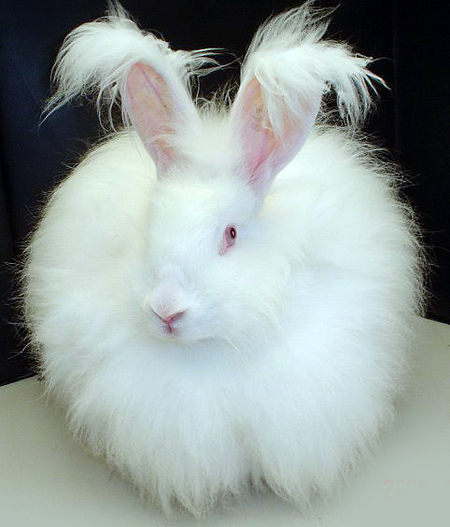
A wool breed that demands near-daily grooming

Floor-length show coat, serious daily grooming