Chinchilla
Chinchilla lanigera
A long-lived, heat-sensitive, crepuscular acrobat · Advanced

Guérin Nicolas (messages) · CC BY-SA 3.0 — Wikimedia Commons
- Lifespan
- 10-15 years
- Adult size
- 25-35 cm body, plus tail
- Min. habitat
- Tall multi-level cage 1m+ high, for a pair
- Social needs
- Social; keep compatible same-sex pairs
- Diet
- Unlimited grass hay plus measured plain pellets
- Time
- Daily; long-term, plus careful temperature control
- Cost
- High
Overview
- The chinchilla is a long-lived Andean rodent with very dense, soft fur and an energetic, acrobatic nature.
- They commonly live 10 to 15 years, and sometimes longer, making them one of the longer-lived small pets and a serious commitment.
- Crepuscular to nocturnal, agile and sensitive to heat, chinchillas need specialised care and are not ideal for young children or casual owners.
- Their longevity and specific needs place them in the advanced category.
Housing
- Provide a tall, multi-level metal cage at least a metre high with solid shelves and plenty of climbing and jumping space for a pair.
- Use safe, non-toxic wooden ledges and avoid wire flooring, which harms their feet.
- Chinchillas overheat easily and need temperatures kept below about 25°C, ideally around 18-21°C, with low humidity; heatstroke is a real risk.
- Offer a dust bath a few times weekly for coat care, and remove it between sessions to protect the eyes.
Diet
- The diet centres on unlimited high-quality grass hay, which is essential for the continuously growing teeth and sensitive digestion, plus a measured portion of plain chinchilla pellets.
- Hay should always dominate.
- Provide constant fresh water.
- Avoid fatty, sugary or moist treats, including most fruit and nuts, which cause digestive upset, bloat and dental problems.
- Adjust foods slowly, as sudden diet changes can trigger gut problems.
Health
- Dental disease from inadequate hay is a leading problem, alongside heatstroke, stress-related fur chewing, and gut disturbances such as bloat and constipation.
- The dense coat makes overheating especially dangerous.
- Watch for drooling, reduced appetite, soft stools and lethargy, all of which warrant prompt veterinary care.
- Their long lifespan demands a sustained commitment to a chinchilla-experienced exotics vet and careful environmental control.
Temperament
- Chinchillas are lively, intelligent and curious, but also quick and easily startled, preferring to explore on their own terms rather than be cuddled.
- With gentle, patient handling many become tame and interactive.
- They are social and generally happier in compatible same-sex pairs, provided introductions are careful.
- Their crepuscular and nocturnal activity means they are liveliest in the evening, suiting keepers with matching routines.
A good fit for
- Experienced keepers wanting a long-lived pet
- Owners able to keep rooms cool
- Those with evening-active routines
- Keepers committed for well over a decade
Common mistakes to avoid
- Overheating; needs cool, low-humidity rooms
- Inadequate hay causing dental disease
- Sugary or fatty treats upsetting digestion
- Underestimating the long lifespan commitment
Is your enclosure big enough?
Floor area derived from the multi-level cage sizes this guide recommends; height is the stated minimum.
Is this urgent?
Small mammals are prey animals. They mask pain and illness by instinct, so by the time something is obvious it is usually already advanced.
Go now
Today
Soon
Have the number of an exotics-competent practice saved before you need it. Most general small-animal clinics do not treat rabbits or rodents out of hours, and finding one at 11pm is not realistic.
This is general guidance for a healthy adult, not a diagnosis. An exotics vet who knows your animal always overrides it — and the time to find one is before you need one.
Can a chinchilla eat that?
Most small companion mammals are hindgut fermenters: the gut is a fermentation vessel that has to keep moving, and sudden rich food stops it.
Never (19)
Rare treats (13)
Occasional (17)
Everyday foods (6)
That food is not on our list. Do not offer it on a guess — check with an exotics vet, or leave it out. Nothing in a small mammal's diet is urgent enough to risk it.
Introduce any new food one at a time, in a small amount, and wait two days before adding another. A change in droppings is the earliest signal that something did not suit.
What it really costs
Setup, monthly, first year and across a whole life, itemised and with the electricity worked out from the actual wattage. Published figures for the same animal disagree by a factor of four, so the calculator shows ranges rather than picking one.
More Small Pets guides

A small maned breed that needs regular grooming

A very large, docile breed needing serious space

Playful obligate-carnivore escape artists

Bonded, gliding, demanding nocturnal marsupials
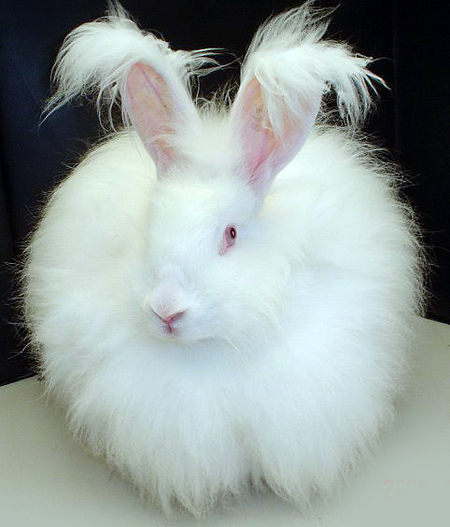
A wool breed that demands near-daily grooming

Floor-length show coat, serious daily grooming