Ferret
Mustela putorius furo
Playful obligate-carnivore escape artists · Advanced

- Lifespan
- 6-10 years
- Adult size
- 33-50cm including tail; 0.7-2kg
- Min. habitat
- Multi-level cage 90x60x60cm min, plus daily free-roam
- Social needs
- Social; happiest in pairs or small groups
- Diet
- Obligate carnivore; high-protein meat-based
- Time
- High; 3-4+ hours supervised play daily
- Cost
- High
Overview
- Ferrets are domesticated mustelids, not rodents, and are obligate carnivores with the curiosity and athleticism of a small predator.
- They sleep 14-18 hours a day but are intensely energetic when awake, often performing a bouncing "weasel war dance." They bond with people and other ferrets and learn routines and litter habits.
- They suit dedicated, experienced keepers.
- Their high needs, frequent veterinary issues, and musky odor make them a poor impulse purchase.
- In some regions they are restricted or banned, so check local law before committing.
Housing
- Provide a tall, multi-level wire cage of at least 90x60x60cm for one or two ferrets, with solid shelves, hammocks, and a litter tray.
- The cage is only a base camp: ferrets need several hours of supervised free-roaming exercise every day in a thoroughly ferret-proofed room.
- They are skilled escape artists who squeeze through gaps as small as 2.5cm and chew or dig at anything.
- Block all holes, secure cupboards, and remove soft foam and rubber, which can cause fatal intestinal blockages.
- Keep them cool; they risk heatstroke above about 28-30C.
Diet
- As obligate carnivores, ferrets need a diet very high in animal protein and fat with little carbohydrate or fibre.
- Feed a quality ferret kibble, or a balanced raw or whole-prey diet, with roughly 32-38% animal protein and 18-20% fat.
- Avoid dog food, fruit, vegetables, and sugary treats.
- Their gut transit is only about 3-4 hours, so food should be available frequently or free-fed, with constant fresh water.
- Sugary or carbohydrate-heavy diets are linked to insulinoma, a common ferret cancer.
Health
- Ferrets are prone to several serious conditions: adrenal gland disease, insulinoma (pancreatic tumors causing low blood sugar), lymphoma, and dental disease.
- Early-neutered animals from large breeding mills are especially predisposed to adrenal disease.
- Annual checks, moving to twice-yearly with age, are advised with an exotic vet.
- They require core vaccination, typically against canine distemper, which is almost always fatal in ferrets, and against rabies where mandated.
- Keep them away from infected dogs.
- Sudden weakness, drooling, or hind-leg collapse can signal an insulinoma crisis needing urgent care.
Temperament
- Ferrets are mischievous, intelligent, and affectionate, forming clear bonds with their humans and cage-mates.
- They communicate with chirps, hisses, and "dooking" chuckles, and most enjoy gentle handling, tunnels, and interactive games.
- Kits nip while learning bite inhibition and need patient, consistent training.
- They are not ideal for very young children or hands-off owners.
- Without enough stimulation they become bored, destructive, or withdrawn.
- A compatible companion ferret plus rich daily enrichment keeps them mentally healthy.
A good fit for
- Experienced, very hands-on owners
- Households able to give hours of daily play
- Keepers wanting a dog-like interactive small pet
- Homes that can be fully escape-proofed
Common mistakes to avoid
- Feeding dog food, fruit, or carbohydrate-heavy diets
- Skipping distemper vaccination
- Soft rubber/foam toys causing fatal blockages
- Heatstroke above roughly 28-30C
Is your enclosure big enough?
Is this urgent?
Ferrets hide illness less well than rodents, but they deteriorate faster. Weekly weighing still catches the most.
Go now
Today
This is general guidance for a healthy adult, not a diagnosis. An exotics vet who knows your animal always overrides it — and the time to find one is before you need one.
Can a ferret eat that?
Most small companion mammals are hindgut fermenters: the gut is a fermentation vessel that has to keep moving, and sudden rich food stops it.
Never (19)
Rare treats (13)
Occasional (17)
Everyday foods (6)
That food is not on our list. Do not offer it on a guess — check with an exotics vet, or leave it out. Nothing in a small mammal's diet is urgent enough to risk it.
Introduce any new food one at a time, in a small amount, and wait two days before adding another. A change in droppings is the earliest signal that something did not suit.
What it really costs
Setup, monthly, first year and across a whole life, itemised and with the electricity worked out from the actual wattage. Published figures for the same animal disagree by a factor of four, so the calculator shows ranges rather than picking one.
More Small Pets guides

A small maned breed that needs regular grooming

A very large, docile breed needing serious space

A long-lived, heat-sensitive, crepuscular acrobat

Bonded, gliding, demanding nocturnal marsupials
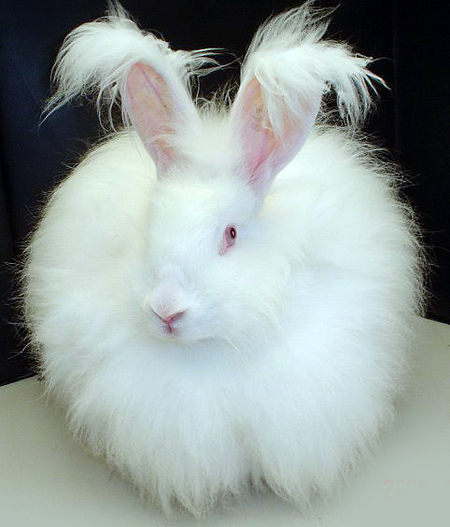
A wool breed that demands near-daily grooming

Floor-length show coat, serious daily grooming