Regal Blue Tang
Paracanthurus hepatus
Large, active reef fish needing serious swimming space · Advanced

- Lifespan
- 10-20+ years
- Adult size
- 25-30cm (10-12in)
- Min. habitat
- Aquarium 1100L+ / 290gal+
- Social needs
- Best kept one per tank unless the system is very large
- Diet
- Omnivore, marine-algae-heavy
- Time
- High
- Cost
- High
Overview
- The Regal Blue Tang is a large, active reef fish that grows far bigger and lives far longer than most buyers expect.
- Reaching up to 30cm, it is a fast, near-constant swimmer that quickly outgrows the small tanks it is often sold for.
- This is an advanced fish.
- It needs a large, mature reef system, stable water, and an experienced keeper prepared for a decades-long, expensive commitment.
- It is frequently sold to beginners who lack the space and equipment it requires.
Housing
- Provide an established reef aquarium of at least 1100L (290 gallons) with a long open swimming area and live rock with caves it can dart into when stressed.
- It is reef-safe and benefits from strong flow and good oxygenation.
- Keep parameters stable: temperature 24-27C (75-81F), salinity 1.024-1.026, pH 8.1-8.4, ammonia and nitrite at zero, and nitrate low.
- A fully cycled, biologically mature tank is essential before introduction.
Diet
- Tangs are grazers that need a diet rich in marine algae.
- Clip dried nori or seaweed sheets in the tank daily and offer good-quality marine flakes or pellets plus frozen mysis or brine for protein.
- Vegetable matter should form the bulk of the intake.
- Frequent grazing supports digestion and reduces aggression.
- A varied diet with added vitamins helps prevent head and lateral line erosion (HLLE), which is linked to poor nutrition and water quality in tangs.
Health
- Blue tangs are prone to marine ich (Cryptocaryon) and velvet, partly because of their thin scaling and sensitivity to stress.
- Quarantine every new fish and minimise stress during transport and acclimation.
- They tolerate copper-based treatment well, which is a useful tool in a hospital tank.
- Watch for white spots, scratching, rapid breathing, and faded colour.
- Head and lateral line erosion points to poor diet or water quality.
- Stable conditions and good nutrition are the best preventatives.
Temperament
- Generally peaceful toward other species but territorial toward other tangs and its own kind, especially in cramped quarters.
- A single specimen per tank is safest unless the system is very large and well aquascaped.
- Newly added fish are often shy and may hide or wedge into rocks.
- With time and space they become bold, active centrepiece fish that need room to roam.
A good fit for
- Experienced reef keepers with large systems
- Hobbyists wanting a long-term centrepiece fish
- Keepers committed to quarantine protocols
- Those with the budget for a large setup
Common mistakes to avoid
- Sold small, but grows to 30cm and outgrows small tanks
- Prone to marine ich and velvet
- Buying without a large, mature reef ready
- Diet too low in algae causing HLLE
Is your enclosure big enough?
Is this urgent?
In a reef, stability matters more than any single target number. A parameter moving fast does more damage than a parameter sitting slightly off.
Go now
Today
Quarantine every new animal, including corals and inverts. It is the single practice that separates a reef that lasts from a reef that restarts.
This is general guidance for a healthy adult, not a diagnosis. An exotics vet who knows your animal always overrides it — and the time to find one is before you need one.
What it really costs
Setup, monthly, first year and across a whole life, itemised and with the electricity worked out from the actual wattage. Published figures for the same animal disagree by a factor of four, so the calculator shows ranges rather than picking one.
More Saltwater Fish guides

Yellow algae-grazer needing serious swimming space
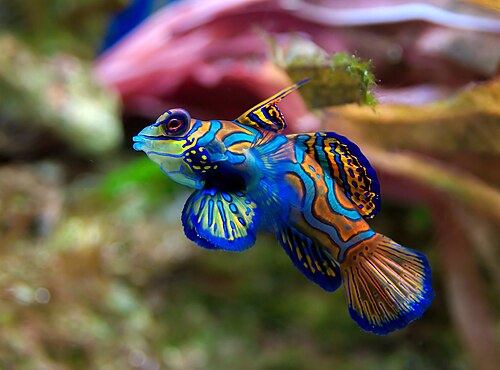
Strikingly coloured fish needing a copepod-rich tank

Hardy, beginner-friendly reef-tank clownfish

Large, boldly coloured and notably aggressive clownfish

Purple-and-gold peaceful reef basslet

Slender dartfish with a flicking dorsal flag