Celestial Pearl Danio
Danio margaritatus
Spotted nano fish from cool Burmese pools · Intermediate

- Lifespan
- 3-5 years
- Adult size
- 2-2.5 cm / 0.8-1 in
- Min. habitat
- Aquarium 40L+ / 10gal+, filtered
- Social needs
- Social; keep 6+ together
- Diet
- Omnivore; micro pellets, crushed flakes, frozen foods
- Time
- Low-moderate; daily feeding, weekly water change
- Cost
- Low-Medium
Overview
- The celestial pearl danio, also sold as the galaxy rasbora, is a tiny fish described in 2006 from cool, weedy spring pools in Myanmar.
- Males show pearl spots over a deep blue body with orange-red fins, making it a popular nano species.
- Wild populations were quickly over-collected after discovery, so seek captive-bred stock, which is now widely available and hardier.
- It is not difficult to keep but is shy and small, needing a thoughtfully planted tank rather than a busy community.
Housing
- A group of six or more suits a planted 40-litre (10-gallon) nano, filtered and held at 20-24C; they prefer cooler water than most tropicals and often need no heater in a warm room.
- Dense planting, fine substrate and gentle flow recreate the still, vegetated pools they inhabit.
- They are timid and need plenty of cover to feel secure and display.
- Avoid strong current and overly warm water, and choose a well-cycled, stable tank, since such small fish are sensitive to swinging parameters in small volumes.
Diet
- These are micro-predators that pick tiny invertebrates from plants and substrate.
- Offer fine micro-pellets, crushed flake and powdered foods as the base, supplemented generously with frozen or live cyclops, baby brine shrimp, daphnia and microworms.
- Feed small amounts once or twice daily, ensuring food is small enough for their minute mouths.
- Live and frozen foods bring out their best colour and breeding condition, so rotate them in regularly alongside the dry staple.
Health
- Captive-bred celestials are reasonably hardy, but wild-caught fish arrive stressed and prone to parasites and rapid decline.
- Ich and fin rot follow chilling or unstable water, and their tiny bodies show illness quickly.
- Buy captive-bred stock, acclimatise slowly and quarantine new arrivals.
- Keep water stable and on the cool side, perform weekly partial changes, and avoid crowding, as the small volumes of nano tanks punish overstocking and inconsistent maintenance.
Temperament
- Peaceful but shy, celestials are not a true tight shoal; males display and spar gently among themselves while staying close to cover.
- A larger group spreads out this sparring and encourages confident, colourful behaviour.
- They suit calm nano setups with other small, gentle species and shrimp, but are easily bullied or outcompeted by larger, faster fish.
- Keep them with equally peaceful tankmates so they feed and display without intimidation.
A good fit for
- Planted nano and biotope aquariums
- Cooler, unheated or low-heat setups
- Keepers seeking a captive-bred species
- Peaceful shrimp-friendly community tanks
Common mistakes to avoid
- Buying over-collected wild-caught stock
- Keeping them too warm or in strong flow
- Housing with larger, faster tankmates
- Sparse tanks leaving shy fish no cover
Is your enclosure big enough?
Is this urgent?
In a fish tank the patient is usually the water. Test before you treat — dosing a healthy tank for a disease it does not have makes things worse.
Go now
Today
Soon
Never add a new fish to a tank that is not fully cycled, and never treat blind. A test kit is cheaper than the fish.
This is general guidance for a healthy adult, not a diagnosis. An exotics vet who knows your animal always overrides it — and the time to find one is before you need one.
What it really costs
Setup, monthly, first year and across a whole life, itemised and with the electricity worked out from the actual wattage. Published figures for the same animal disagree by a factor of four, so the calculator shows ranges rather than picking one.
More Freshwater Fish guides
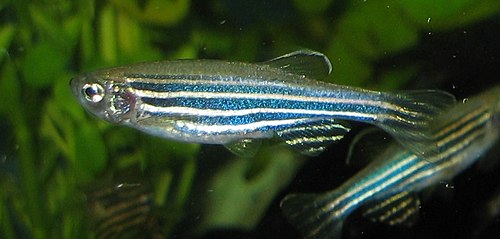
Tireless striped swimmer for cooler tanks

Cold-tolerant minnow for unheated tanks

Sociable livebearer that prefers hard water

Schooling characin for mature, planted tanks

Blue-and-red shoaler from soft blackwater

Active striped shoaler with a fin-nipping streak