African Pygmy Hedgehog
Atelerix albiventris
Solitary, prickly, heat-loving night explorer · Intermediate
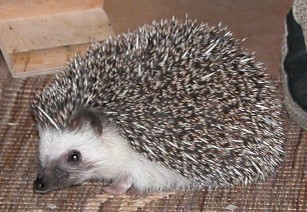
- Lifespan
- 4-6 years
- Adult size
- 15-22cm; 300-700g
- Min. habitat
- Solid-floor enclosure 0.5m2+ (e.g. 120x60cm), heated
- Social needs
- Strictly solitary; house alone
- Diet
- Insectivore-leaning omnivore
- Time
- Medium; daily handling and cleaning
- Cost
- Medium
Overview
- African pygmy hedgehogs are small, nocturnal insectivores derived from the four-toed hedgehog.
- They are covered in non-barbed spines they raise and curl into a ball when frightened.
- Each animal has a distinct personality, from bold and explorative to shy and defensive.
- They are solitary by nature and must be housed alone; cohabiting adults fight and become stressed.
- They are often mis-sold as easy starter pets, but their heat, space, and dietary needs make them better for committed intermediate keepers.
Housing
- Use a large enclosure with a solid floor and high sides, at least 0.5 square metres of floor space, such as a 120x60cm vivarium or large tub.
- Avoid wire floors and mesh that can trap their legs.
- Provide a deep, dust-free substrate such as fleece liners or paper-based bedding, a hide, and a large solid-surface running wheel.
- Temperature is critical: maintain a stable 22-26C using a thermostat-controlled ceramic heat emitter or heat panel.
- Cold hedgehogs may attempt hibernation, for which this species is not adapted and which is often fatal.
- Provide a gentle day-night light cycle.
Diet
- These animals lean strongly insectivorous and thrive on a high-protein, moderate-fat, low-filler diet.
- A good base is a quality hedgehog kibble or high-protein grain-free cat food, supplemented with live or dried insects such as crickets, mealworms, and dubia roaches.
- Feed measured portions at night, as obesity is common and dangerous.
- Offer occasional small amounts of cooked egg or lean meat.
- Avoid milk, bread, and sugary or salty human foods.
- Provide fresh water in a shallow bowl or bottle.
Health
- Common problems include obesity, dental disease, mites, and fatty liver from poor diet.
- A serious neurological condition called Wobbly Hedgehog Syndrome causes progressive paralysis and has no cure.
- Cancer is also relatively frequent in older animals.
- Monitor weight, droppings, and gait closely, and find an exotic vet before you need one.
- "Self-anointing," where a hedgehog froths and spreads saliva over its spines in response to new smells, is normal behavior, not illness.
Temperament
- Hedgehogs are shy, independent, and naturally defensive, huffing and balling up until they learn to trust a keeper.
- With patient, daily, gentle handling many become tolerant and curious, though they rarely seek affection like a dog or ferret.
- They are most active at night.
- They are not lap pets and dislike loud, busy environments.
- Their quills can prick, so they suit calm, gentle handlers rather than young children.
- Consistent routine and scent familiarity build the most confident animals.
A good fit for
- Quiet, patient keepers wanting a solitary pet
- Night owls who can interact in the evening
- Owners able to provide steady warmth and space
- People wanting a low-social-need exotic
Common mistakes to avoid
- Housing two together (they fight and stress)
- Letting temperatures drop and triggering hibernation
- Overfeeding causing obesity and fatty liver
- Wire or mesh floors injuring delicate feet
Is your enclosure big enough?
Is this urgent?
Small mammals are prey animals. They mask pain and illness by instinct, so by the time something is obvious it is usually already advanced.
Go now
Today
Soon
Have the number of an exotics-competent practice saved before you need it. Most general small-animal clinics do not treat rabbits or rodents out of hours, and finding one at 11pm is not realistic.
This is general guidance for a healthy adult, not a diagnosis. An exotics vet who knows your animal always overrides it — and the time to find one is before you need one.
Can a african pygmy hedgehog eat that?
Most small companion mammals are hindgut fermenters: the gut is a fermentation vessel that has to keep moving, and sudden rich food stops it.
Never (19)
Rare treats (13)
Occasional (17)
Everyday foods (6)
That food is not on our list. Do not offer it on a guess — check with an exotics vet, or leave it out. Nothing in a small mammal's diet is urgent enough to risk it.
Introduce any new food one at a time, in a small amount, and wait two days before adding another. A change in droppings is the earliest signal that something did not suit.
What it really costs
Setup, monthly, first year and across a whole life, itemised and with the electricity worked out from the actual wattage. Published figures for the same animal disagree by a factor of four, so the calculator shows ranges rather than picking one.
More Small Pets guides

Tiny, fast, better watched than handled

Bold dwarf with a diabetes risk

Gentle dwarf that pales in winter

Slim, agile climber with a longer tail

The classic smooth-coated cavy — social, vocal, easygoing

Rosette-coated, lively social cavy